

The Complete Guide to Yeast Infections in Dogs
If your dog keeps licking their paws, scratching their ears, smelling suspiciously like corn chips or developing the same skin problems over and over, this guide will help you understand what may be happening and how to support the whole dog.
If you have found your way here, I am guessing you have probably typed something into Google along the lines of:
“Why does my dog keep licking their paws?”
“Why do my dog’s ears keep getting infected?”
“Why does my dog smell like corn chips even after a bath?”
Or perhaps you have reached that particularly frustrating point where you are thinking:
“We treat it, it improves, and then somehow we are right back here again.”
I hear versions of this story all the time.
A dog develops itchy paws. Then the ears become waxy. Then the belly turns pink. Someone mentions yeast, someone else mentions allergies, and suddenly you are trying to work out whether your dog needs a different food, a different shampoo, an ear treatment or an entirely new set of paws.
The truth is that recurring yeast concerns are rarely just about yeast.
The skin, gut, immune system, environment, diet and underlying health can all influence what is happening. When we look at the whole dog rather than only the itchy patch in front of us, things often start to make much more sense.
Yeast is not automatically the villain. Small amounts of yeast can live normally on your dog’s skin. Problems tend to develop when the skin environment changes and yeast begins to multiply more than it should.
The important question is not only, “How do I get rid of the yeast?” It is also, “Why has my dog’s skin become such a welcoming place for it?”
What exactly is yeast, and why does it cause problems?
Yeast is a type of fungus. The yeast most commonly associated with skin and ear concerns in dogs is called Malassezia pachydermatis.
Before that name sends you running for a dictionary, here is the simple version:
Malassezia can live in small amounts on healthy canine skin without causing trouble.
It becomes a problem when the skin environment changes and the yeast has an opportunity to multiply.
Warmth, moisture, skin irritation, excess oil, allergies and changes in the skin’s natural protective barrier can all make conditions more favourable.
A healthy garden naturally contains lots of different organisms. The goal is not to sterilise the entire garden. The goal is to keep the conditions balanced so one enthusiastic visitor does not take over the whole place.
That is why focusing only on removing yeast without investigating the reason it keeps returning can become a very frustrating cycle.
What are the signs of yeast problems in dogs?
Yeast-related skin concerns can look different from one dog to another. Some dogs mainly struggle with their ears, while others develop itchy paws, irritated skin folds or a strong, musty smell.
Common skin and paw signs
- Repeated paw licking or chewing.
- Redness between the toes.
- Brown staining from saliva.
- Greasy, sticky or flaky skin.
- A musty or corn-chip-like smell.
- Itchy armpits, groin or belly.
- Irritated skin folds.
- Hair thinning or patchy hair loss.
- Darkened or thickened skin over time.
- Persistent licking around the bottom or tail base.
Common ear signs
- Head shaking.
- Scratching at one or both ears.
- Brown, dark or sticky ear debris.
- A noticeable musty ear odour.
- Redness around the ear opening.
- Sensitivity when the ear is touched.
- Repeated ear infections.
- Rubbing the head on furniture.
- Holding the head differently.
- Becoming grumpy about ear cleaning.
A corn-chip smell can be a useful clue, but it is not a diagnosis. Bacteria, skin oils, damp fur and other conditions can create odours too.
Red skin, itchy paws and dirty ears can also be caused by allergies, bacteria, parasites, foreign material or a combination of problems. A veterinary examination and simple microscope testing are often the quickest way to find out what is actually happening.
Why do yeast ear infections keep coming back?
Recurring ear problems are one of the biggest reasons people start searching for answers about yeast.
You clean the ears. You use the prescribed drops. Things improve. Then a few weeks later, your dog starts shaking their head again and that familiar smell returns.
The frustrating part is that yeast may not be the original cause. Often, something else has changed the ear environment first.
Common contributing factors include:
- Environmental allergies.
- Food-related sensitivities in some dogs.
- Excess moisture after swimming or bathing.
- Narrow or inflamed ear canals.
- Repeated scratching and irritation.
- Foreign material such as grass seeds.
- Bacterial infection alongside yeast.
- Hormonal conditions such as hypothyroidism.
- Chronic changes in the structure of the ear canal.
An ear can contain yeast, bacteria, inflammation or all three. That is why using the same leftover drops every time is not always the answer.
Your veterinarian may look into the ear with an otoscope and examine an ear swab under the microscope. That information helps determine what treatment is appropriate and whether the eardrum is intact.
Wipe only the visible outer ear if your veterinarian says it is appropriate. Do not poke cotton buds down the ear canal, and do not pour vinegar, oils, peroxide or homemade mixtures into an irritated ear.
Watch: Tottie Goldsmith shares her dog’s yeast-affected ear story
Tottie kindly shared her experience with her dog’s recurring ear concerns and how she incorporated the Yeast Support Kit into a broader care routine.
Customer experiences are individual and do not replace veterinary diagnosis or treatment.
Is it yeast, skin allergies, atopy, bacteria or a hot spot?
This is where things can get confusing, because several skin problems may look similar and often happen together.
For example, a dog may have environmental allergies that irritate the skin, which then allows yeast or bacteria to multiply. Another dog may lick an itchy area until it becomes a moist, painful hot spot.
Here is a simple comparison to help you make sense of the possibilities.
| What might it be? | Common clues | Where it often appears | What helps identify it | Important to remember |
|---|---|---|---|---|
| Yeast overgrowth | Musty odour, greasy or sticky skin, dark ear debris, redness and persistent licking. | Paws, ears, skin folds, armpits, groin and belly. | Ear swab or skin cytology examined under a microscope. | Often develops secondary to allergies, moisture or another underlying skin problem. |
| Environmental allergies or atopy | Repeated itching, paw licking, recurrent ear problems and seasonal or year-round flare-ups. | Paws, face, ears, belly and armpits. | Veterinary history, examination and exclusion of other causes; allergy testing may help guide management in selected cases. | Allergies can disrupt the skin barrier and make secondary yeast or bacterial problems more likely. |
| Food-related allergy | Persistent itching, recurring ears and sometimes digestive signs. | Ears, paws, face, belly or multiple areas. | A carefully supervised elimination diet followed by a dietary challenge. | Saliva, hair and many direct-to-consumer food sensitivity tests are not reliable substitutes for a proper diet trial. |
| Hot spot | A rapidly developing red, moist, painful or weeping patch. | Neck, cheeks, hips, back or anywhere a dog can lick or scratch. | Veterinary examination; additional testing may be needed if infection or another trigger is suspected. | Hot spots can worsen quickly and may need clipping, cleaning and prescribed treatment. |
| Bacterial skin infection | Pimples, crusts, discharge, odour, painful redness or spreading sores. | Belly, groin, skin folds, paws, ears or anywhere the skin barrier is damaged. | Skin cytology and, in some cases, culture and sensitivity testing. | Bacteria and yeast can occur together, so treatment should be based on what testing finds. |
| Parasites or another skin condition | Intense itching, hair loss, crusting, sudden changes or poor response to usual treatment. | Depends on the cause; may involve ears, body, paws or multiple areas. | Veterinary examination, skin scraping and other testing when needed. | Not every itchy dog has yeast, and not every smelly ear is caused by the same thing. |
A dog can have allergies, yeast and bacteria at the same time. Treating only one part of the picture may bring temporary relief, but long-term improvement usually depends on identifying what keeps opening the door.
Why does my dog’s yeast keep coming back?
Recurring yeast concerns often have an underlying reason. Sometimes there is one clear trigger. More often, several smaller factors are working together.
1. Environmental allergies
Grass, pollen, dust mites and other environmental triggers can irritate the skin and weaken its natural protective barrier.
Once the skin is inflamed, yeast and bacteria may find it easier to multiply.
2. Warmth and moisture
Damp paws, wet ears, heavy coats and deep skin folds create the kind of environment yeast tends to enjoy.
Dogs that swim frequently, lick their feet constantly or have floppy ears may need extra attention to drying and skin hygiene.
3. Repeated skin irritation
Constant scratching, licking, harsh shampoos or overcleaning can damage the skin barrier and make the problem more persistent.
4. Underlying medical conditions
Hormonal conditions, immune concerns and other health problems can influence skin health. In some dogs, issues such as hypothyroidism or adrenal disease may contribute to recurring infections.
5. Diet and digestive wellbeing
Diet can influence the quality of the skin barrier, digestion and general wellbeing. A food allergy is possible in some dogs, but it should be investigated properly rather than guessed from a long list of online “forbidden foods”.
6. Medication history
Antibiotics, steroids and other medications can affect different parts of the body’s balance, but that does not mean they are bad or should be avoided when needed.
If your dog needs medication, the sensible approach is to work with your veterinarian and support the rest of the dog thoughtfully.
No dog should be left miserable because someone is determined to avoid pharmaceuticals at all costs. Veterinary treatment and holistic support can absolutely work together. It does not have to be one or the other.
How do vets tell whether it really is yeast?
One of the simplest and most useful tests is called cytology.
Your veterinarian may collect a sample from the skin or ear using a swab, a piece of clear tape or a microscope slide. The sample is stained and examined under a microscope.
That can help identify:
- Yeast organisms.
- Bacteria.
- Inflammatory cells.
- Whether more than one problem is present.
- Whether treatment appears to be working.
Depending on the situation, your veterinarian may also discuss parasite checks, a food elimination trial, hormone testing, an ear examination or additional culture testing.
“Can we check whether this is yeast, bacteria, allergies or a combination?”
It is a simple question, but it can stop you guessing and help guide a more useful treatment plan.
What does the gut have to do with itchy skin?
The digestive system does much more than process dinner.
It plays an important role in nutrient absorption, immune function and maintaining a healthy balance of microorganisms.
When a dog has ongoing digestive sensitivity, a history of repeated antibiotics or a diet that is not suiting them, supporting normal gut function can be a useful part of the bigger wellbeing picture.
That does not mean every itchy dog has a “leaky gut”, and it certainly does not mean every ear infection starts in the intestines.
It simply means the gut and skin do not exist in completely separate worlds.
Supporting digestion, a balanced diet and a healthy gut environment may help overall wellbeing, but a probiotic or gut supplement does not replace antifungal treatment for a diagnosed skin or ear infection.
Our Gut Restore Powder includes probiotics, prebiotic inulin, glutamine, marshmallow root and supportive herbs to help maintain normal digestive function and a healthy gut environment.
For dogs or cats that suit a different type of digestive support, Probiotic Gut Support is another option to discuss as part of an individual routine.
Does food feed yeast in dogs?
This is one of those topics where the internet can become very confident, very quickly.
You may have seen advice suggesting that every dog with itchy skin must avoid all carbohydrates, all grains, all fruit and anything remotely resembling a sweet potato.
The real answer is more nuanced.
A balanced diet matters. Excessive treats, sudden food changes and ingredients that do not suit an individual dog can all complicate the picture.
But feeding a carbohydrate does not automatically create a yeast infection on the skin, and grain-free food is not automatically better for every itchy dog.
What is actually worth looking at?
- Whether the food is complete and balanced.
- Whether your dog maintains a healthy body condition.
- Whether digestive signs occur alongside the skin problems.
- Whether flare-ups consistently follow certain foods.
- Whether a veterinary-guided elimination diet is appropriate.
- Whether extra treats and table scraps are causing confusion.
- Whether omega-3 intake and overall nutrition are adequate.
If your veterinarian suspects a food allergy, a properly supervised elimination diet followed by a food challenge is generally much more useful than a random online saliva, hair or “intolerance” test.
What about nutritional yeast in a supplement?
Nutritional yeast used as a flavouring is not the same as an active Malassezia overgrowth on your dog’s skin.
Seeing the word “yeast” on an ingredient list does not automatically mean that ingredient is going to create a yeast infection.
Individual sensitivities are still possible, but the terminology alone is not a reason to panic.
How can I help a dog that keeps licking their paws?
Paw licking is one of the most common clues that something is not quite right, but it can have several causes.
Yeast, allergies, bacteria, grass irritation, trapped moisture, a small wound, a foreign body or even joint discomfort can all lead a dog to focus on their feet.
Start by looking closely
Gently check:
- Between the toes.
- Underneath the paw pads.
- Around the nail beds.
- For redness, swelling or discharge.
- For a strong smell.
- For grass seeds, splinters or broken nails.
- Whether one paw is affected or all four.
One painful paw may suggest an injury or foreign object. Multiple itchy paws may make allergies, environmental irritation or microbial imbalance more likely.
After walks, wipe or rinse muddy or damp paws as appropriate, then dry carefully between the toes. Moisture trapped in the little spaces between the digits can keep irritation going.
If the skin is sore, red or broken, please do not start experimenting with vinegar, tea tree oil, peroxide or strong essential oils.
Some products sting badly, and essential oils can be harmful to pets.
What helps irritated skin, hot spots and skin folds?
Good skin support is not about aggressively scrubbing everything into submission.
The aim is to keep the skin clean, comfortable and supported without stripping away its natural protective barrier.
Helpful everyday habits
- Keep bedding clean and dry.
- Dry skin folds gently.
- Brush out mats before they trap moisture.
- Use a pet-appropriate shampoo when advised.
- Follow veterinary bathing instructions.
- Check paws after wet walks.
- Keep nails at a comfortable length.
- Monitor changes in smell and appearance.
Things to avoid
- Undiluted apple cider vinegar.
- Tea tree and strong essential oils.
- Hydrogen peroxide on irritated skin.
- Human shampoos and heavily fragranced products.
- Scrubbing raw or broken skin.
- Repeatedly cleaning ears without guidance.
- Applying thick creams that trap moisture.
- Assuming every hot spot is caused by yeast.
Our Skin Soothing Spray provides topical support for dogs with irritated skin, itchy paws and areas needing gentle skin-barrier care.
It contains ingredients including aloe vera, calendula, chickweed, horopito and zinc.
Do not use Skin Soothing Spray on cats unless your veterinarian has specifically confirmed that it is appropriate. Avoid the eyes and do not apply products inside the ear canal unless directed by your veterinarian.
What about antibiotics, antifungals, Apoquel and Cytopoint?
This is where I think the conversation sometimes becomes unnecessarily divided.
Some people are told medication is the only possible answer. Others are made to feel that using medication means they have failed at doing things naturally.
Neither extreme helps the dog.
A genuine yeast infection may need veterinary-prescribed antifungal treatment. A bacterial infection may need appropriate medication. A severely itchy dog may need help getting comfortable while the underlying cause is investigated.
Holistic care means looking at the entire picture. It does not mean refusing treatment when your dog needs it.
Use the veterinary care your dog needs, then ask what else can be supported around it: skin hygiene, nutrition, gut wellbeing, environmental triggers, stress and long-term prevention.
Those things can work together beautifully.
The inside-and-out approach: why I created the Yeast Kit
Over time, I noticed that dogs with recurring yeast-related concerns often needed support in more than one area.
Their skin needed attention. Their diet or digestive routine sometimes needed a closer look. Their ears might need veterinary treatment. And many benefited from a consistent, simple routine instead of another short-lived attempt to chase the latest flare-up.

Meet the Yeast Support Kit
The kit brings together three complementary products:
- Yeast Support: Herbal support for healthy skin, normal microbial balance and general wellbeing.
- Gut Restore: Nutritional and herbal support for digestion, beneficial gut bacteria and intestinal wellbeing.
- Skin Soothing Spray: Gentle topical skin support for dogs.
These products are designed to support normal health and wellbeing. They are not a substitute for diagnosing or treating a confirmed ear infection, painful hot spot or bacterial skin infection.
What herbs are in Yeast Support, and why are they there?
I am a big believer that you should know what is in a product and what each ingredient is intended to support.
Yeast Support contains a carefully selected combination of traditionally used herbs that support skin wellbeing, normal immune function, microbial balance and the body’s everyday protective processes.

Baical skullcap
Scutellaria baicalensisTraditionally used to support healthy skin, antioxidant activity and a balanced response to everyday environmental triggers.

Oregon grape root
Mahonia aquifoliumA traditionally used bitter herb included to support skin wellbeing, normal digestive processes and a healthy microbial environment.

Pau d’arco
Tabebuia impetiginosaTraditionally used in herbal practice to support healthy skin, natural microbial balance and everyday immune wellbeing.

Rehmannia
Rehmannia glutinosaTraditionally included to support skin comfort, normal immune balance and the body’s ability to cope with ongoing environmental stress.

St Mary’s thistle
Silybum marianumAlso known as milk thistle, this herb is traditionally used to support normal liver function and the body’s natural metabolic processes.

Echinacea
Echinacea purpureaTraditionally used to support normal immune function, tissue wellbeing and the body’s everyday protective responses.

Ginger
Zingiber officinaleIncluded to support normal digestion, healthy circulation and overall comfort as part of a balanced herbal formula.
Do not use during diarrhoea. Use caution with immune-suppressing medication and diabetic animals, and ask your veterinarian before combining herbal products with prescription treatment or using them for pets with diagnosed medical conditions.
Which products might suit your dog?
Not every dog needs every product. The right choice depends on whether the main concern is recurring skin imbalance, digestion, topical comfort, allergies or a combination of issues.

Yeast Support Kit
A complete inside-and-out approach combining Yeast Support, Gut Restore and Skin Soothing Spray.
Best suited to: Dogs needing support across skin, digestive wellbeing and everyday microbial balance.

Yeast Support
A concentrated seven-herb formula supporting healthy skin, normal immune function and natural microbial balance.
Best suited to: Dogs and cats needing targeted herbal support for overall skin and microbial wellbeing.

Gut Restore
A blend of probiotics, prebiotics, glutamine and traditionally used herbs to support normal digestive function and gut wellbeing.
Best suited to: Pets needing a more comprehensive digestive and gut-support routine.

Skin Soothing Spray
A gentle topical formula with aloe vera, calendula, chickweed and other supportive ingredients for irritated canine skin.
Best suited to: Dogs needing practical, external support for itchy paws, irritated skin and problem areas.

Skin Allergy Support
Herbal support for skin comfort, normal immune balance and wellbeing in dogs or cats that experience environmental sensitivities.
Best suited to: Pets whose recurring skin problems may be linked with broader allergy-related irritation.

Probiotic Gut Support
Probiotics, prebiotic inulin, colostrum and digestive-support ingredients to help maintain a balanced gut environment.
Best suited to: Dogs and cats needing daily support for normal digestion and microbial balance.
Gut Restore should be given at least one hour away from pharmaceutical medication. It is not suitable for animals with seizure disorders or severe liver disease unless your veterinarian specifically advises otherwise.
Check individual product labels carefully and seek professional guidance for pets with ongoing medical conditions.
Real dogs, real stories and genuinely lovely feedback
One of the nicest parts of my work is hearing how people are supporting their dogs over time. These are genuine customer experiences already featured with our yeast-support products.

A healthier-looking coat
Jackie shared that Fanando’s coat looked healthier after introducing the Yeast Kit, and that areas of dry skin appeared more comfortable with consistent support.
Jackie S Yeast Support Kit
“The Best!”
Steph explained that her older Maltese–Shih Tzu had struggled with recurring skin sores, hot spots and gunky ears. She noticed a meaningful difference after consistently using the complete Yeast Support Kit.
Steph Powell Yeast Support Kit
“Game changer”
Alexandra shared that her toy cavoodle experienced recurring yeast-related ear concerns, appetite changes and digestive sensitivity. She noticed less itching and an improvement in appetite after introducing the kit.
Alexandra Beattie Yeast Support KitEvery dog is different, and customer experiences do not replace veterinary diagnosis or treatment.
A simple daily routine for dogs prone to yeast flare-ups
Supporting a yeast-prone dog does not need to involve seventeen products, an internet spreadsheet and a full-time job washing paws.
A calm, consistent routine is usually much more useful.
My practical inside-and-out checklist
- Have recurring skin or ear problems properly assessed by your veterinarian.
- Ask whether yeast, bacteria, allergies or a combination may be involved.
- Use prescribed treatment exactly as directed.
- Feed a balanced diet that suits your individual dog.
- Keep paws, ears and skin folds as clean and dry as appropriate.
- Avoid harsh shampoos, strong essential oils and homemade ear treatments.
- Support normal digestive wellbeing where needed.
- Consider suitable herbal or topical support as part of the wider plan.
- Watch for patterns linked with grass, weather, swimming or certain foods.
- Stay consistent and reassess with your veterinarian if symptoms return.
Frequently asked questions about yeast infections in dogs
Why does my dog smell like corn chips?
A corn-chip or musty smell can occur when normal skin microorganisms, skin oils and moisture create a stronger odour. Yeast may be involved, particularly if there is also redness, itching or greasy skin, but smell alone cannot confirm a diagnosis.
Can yeast infections ever go away completely?
Sometimes. A dog may experience one temporary flare-up and never have another. Dogs with ongoing allergies, hormonal conditions, recurring moisture or chronic ear changes may need longer-term management and regular veterinary review.
Is paw licking always caused by yeast?
No. Paw licking can also be linked with allergies, bacteria, grass irritation, pain, a broken nail, a foreign body or anxiety. A dog licking one paw repeatedly should be checked for injury or something stuck between the toes.
Are yeast problems contagious?
The Malassezia yeast commonly involved in canine skin concerns can normally live on healthy skin. A dog usually develops problems because their own skin environment has changed, rather than simply because they “caught” yeast from another dog.
Do dogs get yeast infections from eating carbohydrates?
Not automatically. A balanced diet is important, but eating a carbohydrate does not directly prove that a dog will develop a skin or ear yeast problem. Individual food allergies and dietary sensitivities should be assessed properly rather than assumed.
Should I remove all grains from my dog’s food?
Not unless there is a clear, professionally supported reason. Grain-free diets are not automatically better for itchy dogs, and unnecessary restrictions can make it harder to maintain balanced nutrition.
Can I use apple cider vinegar on my dog’s skin?
Avoid applying vinegar to red, broken or inflamed skin because it can sting and worsen irritation. It should not be poured into the ears, especially when the eardrum has not been examined.
Can I put coconut oil in my dog’s ears?
It is best not to place oils or homemade products inside the ear canal unless your veterinarian specifically recommends them. Ear problems can involve yeast, bacteria, a foreign body or a damaged eardrum, and the correct approach depends on the diagnosis.
Is tea tree oil safe for dogs with yeast?
Concentrated essential oils, including tea tree oil, can irritate the skin and may be harmful if absorbed or licked. Avoid using strong essential oils unless a veterinarian has confirmed a specific product is safe and appropriate.
Why does my dog keep getting ear infections?
Recurring ear infections can be linked with allergies, moisture, narrow ear canals, foreign bodies, bacteria, yeast or underlying medical conditions. Veterinary examination and ear cytology can help identify what is present and why the problem may be returning.
Can allergies and yeast happen at the same time?
Yes. Environmental or food-related allergies can inflame the skin and disrupt its protective barrier, making it easier for yeast or bacteria to multiply. In many dogs, yeast is a secondary problem rather than the original cause.
What is the difference between yeast and a hot spot?
A hot spot is usually a rapidly developing, moist and painful patch of inflamed skin. Yeast-related skin changes may be more greasy, itchy or odorous, but the two can overlap. A hot spot that is spreading, weeping or painful should be assessed by your veterinarian.
Can probiotics help a dog with yeast?
Probiotics may support normal digestive function and a balanced gut environment as part of a broader wellbeing routine. However, they do not replace appropriate veterinary treatment for a diagnosed yeast or bacterial infection.
Is nutritional yeast the same as the yeast on my dog’s skin?
No. Nutritional yeast used as a flavouring is not the same as an active Malassezia overgrowth on the skin. The presence of the word “yeast” in an ingredient list does not automatically mean it will worsen a yeast-related skin problem.
How long does it take to see a difference?
The timing depends on the cause, the severity of the skin problem, whether appropriate veterinary treatment is being used and how consistently the overall routine is followed. Skin and coat changes often need patience, and recurring problems should be reassessed if improvement is not happening.
Can I use the Yeast Kit for a cat?
Some components are marketed for dogs and cats, but Skin Soothing Spray is labelled for dogs only. If you are considering the kit for a cat, check each individual product with your veterinarian and do not apply the spray unless your veterinarian confirms it is appropriate.
Can Yeast Support be used with medication?
Ask your veterinarian first, particularly if your dog takes immune-suppressing medication, has diabetes or has another diagnosed health condition. Gut Restore should also be separated from pharmaceutical medication by at least one hour.
Should I stop Apoquel, Cytopoint or prescribed ear medication?
No. Do not stop or adjust prescribed medication without veterinary advice. Your dog’s comfort matters, and holistic support can be used thoughtfully alongside appropriate veterinary care when your veterinarian considers it suitable.
Why is my dog’s skin getting darker?
Long-term irritation can lead to skin thickening or darker pigmentation. This can occur with chronic allergies, repeated licking, yeast and other skin conditions. New or progressive changes should be examined so the underlying cause can be identified.
Is a food sensitivity hair or saliva test useful?
Direct-to-consumer hair and saliva tests are not reliable replacements for a properly supervised elimination diet when food allergy is suspected. Ask your veterinarian which testing or diet approach makes sense for your dog.
When should you take your dog to the vet?
I am all for practical home support, but there are times when your dog needs proper medical assessment rather than another internet remedy.
- A painful, swollen or strongly odorous ear.
- Repeated head shaking or sensitivity when touched.
- Dark, bloody or pus-like ear discharge.
- A head tilt, loss of balance or unusual eye movements.
- A rapidly spreading hot spot.
- Skin that is red, hot, swollen, weeping or crusted.
- Persistent paw chewing or broken skin between the toes.
- Hair loss, thickened skin or ongoing changes in pigmentation.
- A sudden increase in thirst, appetite or urination.
- Unexplained lethargy or weight changes.
- Repeated infections that keep returning after treatment.
- Any sign that your dog is clearly uncomfortable or in pain.
Head tilt, balance problems, severe ear pain and rapidly worsening symptoms need prompt attention.
My biggest piece of advice
If there is one thing I hope you take away from this guide, it is this:
Try to look beyond the question, “How do I get rid of the yeast?”
Ask:
“What is my dog’s body trying to tell me?”
Sometimes the answer involves allergies. Sometimes it is moisture, diet, skin-barrier changes, the ears, the gut or a combination of several factors.
When we support the whole dog and work alongside a good veterinarian, we have a much better chance of helping them feel comfortable again.
And hopefully you can retire the phrase, “Why do you smell like a packet of corn chips?” from your daily vocabulary.
References and further reading
- Merck Veterinary Manual. Otitis Externa in Animals.
- Merck Veterinary Manual. Atopic Dermatitis in Dogs.
- Bajwa J. Canine Malassezia Dermatitis.
- Bajwa J. Canine Otitis Externa: Treatment and Complications.
- Natural Pet Supplements Australia. Yeast Support ingredients, directions and safety information.
- Natural Pet Supplements Australia. Yeast Support Kit product information and customer reviews.
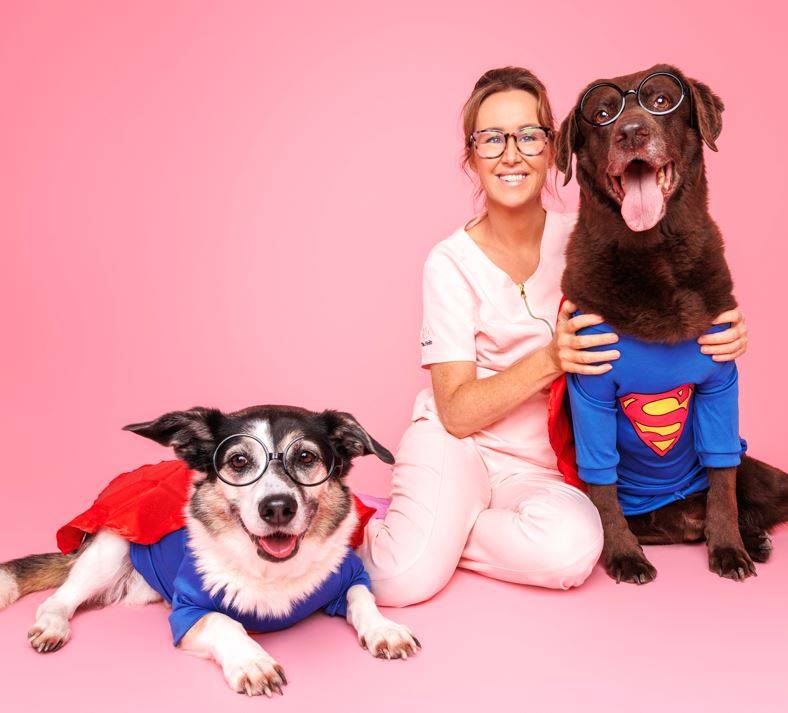
Written by Erin Follington
Erin is a Small Animal Naturopath and the founder of Natural Pet Supplements Australia. She is passionate about helping dogs and cats feel their best through thoughtful nutrition, herbal support and practical, whole-animal care.
Her approach combines natural wellbeing support with a strong belief that good veterinary care, honest information and looking at the bigger picture all belong on the same team.
Important: This article provides general educational information and does not replace veterinary diagnosis, treatment or advice. Persistent ear infections, painful skin, hot spots, recurrent itching and other concerning changes should be assessed by your veterinarian. Supplements support normal health and wellbeing and are not intended to replace appropriate medical treatment. Individual results vary.


