

Pet Health Library | Senior Dogs & Cats
Senior Dogs and Cats: Signs of Ageing, Daily Care & Natural Support
From stiff joints and unsettled nights to changing appetites and slowing down, caring for an older dog or cat means understanding the little changes that matter. Here is my practical, holistic guide to helping them feel comfortable, supported and happy throughout their golden years.
Written by Erin Follington, Small Animal Naturopath & Founder of Natural Pet Supplements
Senior animals hold a particularly special place in my heart.
My own beautiful cat Minty has reached the remarkable age of 21, and caring for my Labrador Taco throughout his older years taught me just how much the right daily support can influence an animal's comfort and quality of life.
The grey muzzle, slower walks and longer naps might arrive gradually, but they do not mean our animals have stopped enjoying life. Often, they simply need us to make a few thoughtful adjustments.
Ageing is not a disease. However, it can bring changes in mobility, digestion, sleep, eyesight, hearing, cognitive function and general vitality. Some changes are manageable with practical support at home. Others deserve a closer look from your veterinarian.
My approach is simple: supporting an older dog or cat is not about trying to make them young again. It is about helping them remain comfortable, engaged and able to enjoy the things that make them happy.
Jump to the question you need answered
- When is a dog or cat considered senior?
- What are the common signs of ageing?
- Which changes need a veterinary check?
- What should senior dogs and cats eat?
- Should older dogs still go for walks?
- How do I support an ageing cat?
- How can I make my home more comfortable?
- Why is my old dog pacing or my cat meowing at night?
- Why did I create Seniors Support?
- Which herbs support healthy ageing?
- Which products may help older dogs and cats?
- What do other owners say?
- Frequently asked questions
When is a dog or cat considered senior?
There is no single birthday when every animal suddenly becomes old.
Cats are generally considered senior from around 10 years of age. Dogs vary much more depending on their size, breed and expected lifespan.
Older dogs
Larger dogs often enter their senior years earlier than smaller dogs. A large Labrador, Shepherd or Great Dane may begin showing age-related changes sooner than a small terrier or toy breed.
Rather than relying on a particular age, pay attention to changes in stamina, movement, sleep, weight and everyday enthusiasm.
Older cats
Many cats are considered senior once they reach approximately 10 years old, although some remain playful and energetic well beyond that.
Cats are experts at hiding discomfort, so changes such as jumping less, sleeping in new places or becoming fussier with food deserve attention.
Two animals of the same age can have completely different needs. What matters most is how your dog or cat is coping, not simply the number on their birthday cake.
What are the signs of ageing in dogs and cats?
Some signs of ageing are obvious. Others are so gradual that you only notice them when you look back at photos or remember what your animal was doing six months ago.
Movement and mobility
- Taking longer to stand after resting.
- Hesitating at stairs or slippery floors.
- Jumping less often onto beds or furniture.
- Walking more slowly or tiring sooner.
- Losing muscle around the back legs.
- Becoming stiffer during cold weather.
Sleep and behaviour
- Sleeping more during the day.
- Pacing or waking repeatedly at night.
- Becoming more anxious or clingy.
- Seeming confused in familiar surroundings.
- Vocalising more than usual.
- Showing less interest in normal activities.
Appetite and digestion
- Becoming fussier with food.
- Gaining or losing weight.
- Drinking noticeably more water.
- Changes in bowel habits.
- Occasional digestive sensitivity.
- Taking longer to finish meals.
Eyes, ears and coat
- Cloudier-looking eyes.
- Reduced responsiveness to sounds.
- A thinner or duller coat.
- Less thorough grooming in cats.
- Greater sensitivity to cold weather.
- Changes in skin condition.
These changes should not automatically be dismissed as old age. Arthritis, dental concerns, kidney problems, thyroid conditions, changes in eyesight and other health issues can produce similar signs.
When should an older dog or cat see the vet?
A good rule is to investigate anything new, persistent or noticeably different from your animal's usual behaviour.
Arrange a veterinary check if you notice:
- Increased thirst or urination.
- Unexplained weight loss or muscle loss.
- A sudden change in appetite.
- Persistent vomiting or diarrhoea.
- Significant stiffness, limping or reluctance to move.
- New lumps or lumps that change quickly.
- Marked confusion, distress or unusual behaviour.
- Difficulty passing urine or stools.
- Coughing, weakness or reduced exercise tolerance.
Difficulty breathing, collapse, seizures, sudden inability to stand or inability to urinate require prompt veterinary attention.
Regular senior health checks may include blood tests, urine testing, dental examinations, weight monitoring and other screening based on your animal's individual needs.
What should I feed my senior dog or cat?
There is no single perfect diet for every older animal. The best food depends on their body condition, digestion, dental health, activity level and any diagnosed medical conditions.
Do older animals still need protein?
Yes. Adequate, digestible protein helps maintain muscle, which becomes particularly important as dogs and cats age.
Do not automatically reduce protein simply because your animal has reached a certain age. Any specific dietary restriction should be based on veterinary advice and your animal's individual health needs.
Why does moisture matter?
Some older cats do not drink enough, particularly when eating mainly dry food. Wet food or a little extra water mixed into meals may help support hydration, provided it suits the individual cat.
Keep fresh water available in several easy-to-reach places, especially if your cat is less mobile.
What about weight gain or weight loss?
Extra weight places more demand on ageing joints, while unexpected weight or muscle loss can indicate an underlying concern that deserves investigation.
Measure meals, review treats and pay attention to your animal's overall condition. Their ideal food intake may change as activity levels change.
My approach: focus on complete nutrition, appropriate protein, adequate moisture, sensible portions and food your older animal can comfortably eat and digest.
Should senior dogs still go for walks?
Absolutely, provided the activity suits their individual abilities.
Gentle movement supports muscle condition, joint mobility, circulation, confidence and mental stimulation. It also gives older dogs the opportunity to enjoy the outside world without being rushed.
Keep walks shorter
Two relaxed, manageable walks may be more suitable than one long outing that leaves your dog exhausted or stiff afterwards.
Let them sniff
A slow sniff around the neighbourhood offers valuable mental stimulation. The outing does not have to be about covering a particular distance.
Avoid sudden strain
Repeated ball chasing, sharp turns, slippery surfaces and strenuous uphill walks can be difficult for dogs that are already stiff or unstable.
Watch the recovery
If your dog is noticeably worse that evening or the next morning, the walk may have been too demanding. Reduce the intensity and discuss ongoing discomfort with your vet.
How can I help my senior cat stay comfortable and active?
Older cats often make subtle adjustments when moving becomes less comfortable.
They may stop jumping onto a favourite windowsill, spend more time on the floor, hesitate before climbing or groom less around their back and hindquarters.
These changes are easy to miss because cats are so good at quietly working around their limitations.
Simple ways to support an older cat
- Use stable steps or ramps near favourite resting places.
- Provide warm beds in easily accessible locations.
- Choose litter trays with a low entrance.
- Keep food, water and litter trays within easy reach.
- Offer short, gentle play sessions.
- Use low scratching surfaces rather than expecting big stretches.
- Provide more than one water bowl around the house.
- Keep their routine calm and predictable.
A senior cat should not have to tackle difficult stairs or jump onto a high surface simply to eat, drink, rest or use the litter tray.
How can I make my home safer for an older dog or cat?
Small changes around the house can make an enormous difference, particularly when mobility, vision or confidence is changing.
Add grip to slippery floors
Non-slip runners, yoga mats and floor coverings help older animals move more confidently across tiles and polished floors.
Make favourite places accessible
Stable ramps or steps can make beds, couches, cars and favourite windowsills easier to reach without awkward jumping.
Provide a warm, supportive bed
Choose a comfortable sleeping spot away from cold floors and draughts. Older animals often appreciate extra warmth during winter.
Keep pathways familiar
Avoid constantly rearranging furniture if eyesight is declining. A predictable layout helps an older animal move around more confidently.
Add a gentle night-light
Soft lighting can help a senior dog or cat find their bed, water bowl or toilet area without becoming disoriented after dark.
Offer more toilet opportunities
Older dogs may need more frequent trips outside, while senior cats often benefit from extra low-sided litter trays in convenient locations.
Why is my older dog pacing at night or my senior cat meowing?
Night-time pacing, vocalising, unsettled sleep and apparent confusion can be worrying, particularly when the behaviour seems to appear out of nowhere.
Possible contributing factors include discomfort, needing to toilet, reduced eyesight or hearing, anxiety, medical concerns and age-related cognitive changes.
What can cognitive changes look like?
- Appearing lost in familiar surroundings.
- Staring at walls or into space.
- Getting stuck behind furniture.
- Sleeping most of the day and waking repeatedly at night.
- Forgetting familiar routines.
- Toileting inside.
- Becoming unusually clingy or withdrawn.
- Vocalising more after dark.
Important: do not assume confusion or pacing is simply dementia or old age. Discomfort, thyroid changes, blood-pressure concerns and other medical conditions can produce similar behaviour and should be assessed by your veterinarian.
A predictable routine, gentle daytime activity, appropriate night lighting, comfortable bedding and accessible toilet areas may help an older animal feel more secure.

Whole-body support for the golden years
Why I created Seniors Support
When I cared for Taco as he got older, I saw firsthand that ageing rarely affects just one part of the body.
An older dog or cat might need help maintaining mobility, staying mentally engaged, keeping their usual enthusiasm and supporting normal liver, immune and eye health.
I created Seniors Support as a broad, daily herbal formula designed to support those changing needs together.
It is intended to support healthy ageing, vitality, cognitive function, normal mobility and overall wellbeing as part of a thoughtful senior care routine.
Shop Seniors SupportWhat herbs are in Seniors Support?
Every herb in this formula was chosen with the changing needs of older dogs and cats in mind.

Withania
Traditional support for resilience, vitality and healthy ageing.
Withania is traditionally used to support the body's ability to adapt to everyday demands while maintaining general wellbeing and resilience.

St Mary's thistle
Traditional support for healthy liver function.
St Mary's thistle is included to support normal liver function and metabolic wellbeing, both important considerations as animals get older.

Turmeric
Traditional support for mobility and everyday comfort.
Turmeric contributes antioxidant and traditional herbal support for normal joint function, healthy movement and general wellbeing.

Astragalus
Traditional support for normal immune function and vitality.
Astragalus has a long history of use in traditional herbal medicine to support immune balance, resilience and everyday energy.

Bacopa
Traditional support for cognitive function and mental alertness.
Bacopa is included to support healthy brain function and nervous-system wellbeing, especially when an older animal seems less mentally engaged.

Bilberry
Traditional support for eye health and healthy ageing.
Bilberry naturally contains antioxidant plant compounds and is traditionally associated with supporting healthy eyes and circulation.
Plus ginger
Ginger rounds out the formula with traditional support for healthy circulation, digestive comfort, warmth and everyday mobility.
How do I give Seniors Support?
Seniors Support is a naturally bacon-flavoured liquid that can be mixed into your dog or cat's food.
Up to 25 kg: give one drop per kilogram of body weight, twice daily.
Over 25 kg: give 25 drops, plus one additional drop for every extra 2 kg of body weight, twice daily.
Syringe guide: 0.5 ml is approximately 10 drops, and 1 ml is approximately 20 drops.
Shake the bottle well before use and follow the directions on the product label. If your animal has a sensitive stomach, introducing a new formula gradually can make the transition easier.
If your dog or cat takes blood-thinning medication, has diabetes or has another ongoing medical condition, check the product cautions and speak with your veterinarian before use.
Which products can help support an older dog or cat?
Some older animals benefit from broad, everyday wellbeing support. Others need more targeted attention for mobility, joints or comfort.
The right combination depends on the individual animal and what is changing in their daily life.

Seniors Support
Broad, daily herbal support for healthy ageing, vitality, cognitive function, eye health, normal mobility and general wellbeing.
Best suited to: older dogs or cats needing whole-body support rather than support focused on one area.
Shop Seniors Support
Mobility Joint Support
Daily nutritional support for healthy joints, connective tissue, flexibility and comfortable movement.
Best suited to: animals needing ongoing nutritional support for cartilage, ligaments, tendons and everyday mobility.
Shop Mobility Support
Joint Support
Targeted herbal support for healthy joint function, flexibility, circulation and ease of movement.
Best suited to: older animals that are becoming stiff, slower on stairs or more hesitant to move around.
Shop Joint Support
Pain Support
Traditional herbal support for everyday comfort, relaxation, rest and healthy movement.
Best suited to: animals needing additional comfort support alongside appropriate veterinary assessment and care.
Shop Pain SupportImportant: always read the individual product cautions. Pain Support is not suitable with blood-pressure or blood-thinning medications and requires caution with sedatives. Speak with your veterinarian before combining supplements with prescription medicines or using them before surgery or anaesthesia.
Real stories from owners of older dogs and cats
Some of my favourite feedback comes from people who notice their older animals becoming more comfortable, more engaged or simply more like themselves.


★★★★★
A 17-year-old with his bounce back
Judy described how her 17-year-old dog seemed brighter and found mornings easier after adding Seniors Support to his routine.
Judy Stath
Seniors Support customer
★★★★★
Helping an older Blue Heeler manage the stairs
Jane shared that her 15-year-old Blue Heeler had become less confident on the stairs. After introducing Joint Support, she was pleased to see him moving around the house more comfortably.
Jane Watson
Joint Support customer
Can senior support products be used together?
In some situations, different products can support different parts of the same senior wellbeing plan.
- Seniors Support: broad, whole-body support for healthy ageing and vitality.
- Mobility Joint Support: daily nutritional support for joints and connective tissue.
- Joint Support: targeted herbal support for mobility and flexibility.
- Pain Support: additional support for everyday comfort, relaxation and rest.
The right combination depends on the animal's age, symptoms, medical history and current medications.
Introduce products gradually, follow the individual product directions and speak with your veterinarian if your dog or cat is taking prescription medication.
You can view the complete Senior Support collection to compare suitable options.
How do I know whether my older pet has a good quality of life?
Quality of life is not determined by age alone.
Some older dogs and cats have ongoing medical conditions but still enjoy wonderful lives with the right support. Others need adjustments because the ordinary parts of their day have become harder.
Ask yourself whether your dog or cat can:
- Eat and drink comfortably.
- Rest without persistent distress.
- Move enough to reach food, water and toileting areas.
- Enjoy affection or familiar company.
- Take interest in favourite foods, toys or gentle activities.
- Settle comfortably after moving around.
- Experience more good days than difficult ones.
Keeping a simple diary can be surprisingly useful. Note appetite, mobility, sleep, toileting, interaction and general comfort. Photos or short videos can also help you and your vet notice gradual changes that might otherwise be missed.
Frequently asked questions about senior dogs and cats
What age is considered senior for a dog?
It depends on the dog's size, breed and expected lifespan. Larger breeds often show senior changes earlier than smaller breeds. Rather than focusing only on age, look for changes in mobility, sleep, weight and everyday enthusiasm.
What age is a cat considered senior?
Cats are generally considered senior from around 10 years of age. Many continue to live active, comfortable lives for years afterwards, particularly when changes are recognised early and their home environment supports their needs.
Why is my older dog struggling to get up?
Difficulty standing can be associated with reduced muscle condition, joint changes, discomfort or slippery flooring. If your dog regularly struggles to rise, arrange a veterinary check and consider practical adjustments such as non-slip mats and supportive bedding.
Is it normal for a senior dog or cat to sleep more?
Many older animals sleep more, but they should still show interest in meals, affection and familiar activities when awake. Sudden excessive sleeping, weakness or withdrawal should be discussed with your veterinarian.
Why is my senior cat losing weight?
Unexplained weight loss can occur with several conditions affecting older cats, including thyroid changes, kidney concerns, dental problems and digestive issues. It should not be dismissed as normal ageing and deserves veterinary assessment.
Why is my old dog pacing at night?
Night pacing can be associated with discomfort, needing to toilet, anxiety, reduced eyesight or age-related cognitive changes. A veterinary check helps identify contributing factors before deciding on the best support plan.
Why does my elderly cat meow at night?
Night-time vocalising may be linked to confusion, hunger, discomfort, hearing or vision changes, thyroid concerns or a disrupted sleep routine. Keep the home easy to navigate and speak with your vet if the behaviour is new or persistent.
Should I still walk my senior dog every day?
Most older dogs benefit from gentle regular movement, provided it suits their mobility and comfort. Shorter, relaxed walks are often more manageable than one long outing. Adjust the routine if your dog seems stiff or exhausted afterwards.
What is the best supplement for an older dog?
The most suitable option depends on what your dog needs. Seniors Support provides broad whole-body support, while Joint Support, Mobility Joint Support and Pain Support focus more specifically on movement, connective tissue or everyday comfort.
What supplements can help support an older cat?
Depending on the individual cat, products supporting healthy ageing, mobility, comfort, digestion or kidney wellbeing may form part of a broader care plan. Any cat with weight loss, appetite changes or ongoing symptoms should be assessed by a veterinarian first.
Can Seniors Support help with cognitive changes?
Seniors Support contains bacopa and other herbs traditionally used to support normal cognitive function, nervous-system wellbeing and healthy ageing. Any noticeable confusion, pacing or behaviour change should still be assessed by your veterinarian.
Can Seniors Support be used with joint supplements?
In some situations, whole-body senior support and targeted mobility support can form different parts of the same wellbeing plan. Check each product's directions and cautions, and speak with your veterinarian if your animal takes prescription medication.
Is Seniors Support suitable for both dogs and cats?
Yes. Seniors Support is formulated for older dogs and cats. Follow the weight-based dosing directions and check the product cautions if your animal has an existing medical condition or takes regular medication.
How can I help an older dog with weak back legs?
Weak back legs can be associated with muscle loss, joint discomfort, neurological concerns or other medical conditions. Arrange a veterinary assessment and consider non-slip flooring, gentle exercise, supportive harnesses and an appropriate mobility plan.
Why has my older cat stopped jumping?
Cats often stop jumping when movement feels less comfortable. This may be linked to joint changes, reduced confidence or weakness. Provide steps to favourite spots and ask your veterinarian to assess any persistent change.
Are natural supplements a replacement for veterinary medication?
No. Herbal and nutritional support can complement appropriate veterinary care, but they should not replace prescribed medication, diagnosis or treatment. Always discuss changes with your veterinarian, especially if your animal has several medical conditions.
Supporting your dog or cat through their golden years
Older animals do not need to keep up with their younger selves. They need care that respects the changes in their body while helping them stay comfortable, interested and connected to the people they love.
Good veterinary care, appropriate food, gentle movement, a safe home and thoughtfully selected herbal or nutritional support can all contribute to a happier daily routine.
Most importantly, pay attention to the little things. Our older animals often show us what they need through small changes in their behaviour long before the problem becomes obvious.
And sometimes, the most meaningful improvement is not a dramatic transformation. It is seeing an older dog settle comfortably, watching a senior cat jump onto their favourite chair again, or enjoying one more slow, happy walk together.
Shop Seniors Support Explore Senior SupportRelated articles from the Pet Health Library
Veterinary references
About the author
Erin Follington
Small Animal Naturopath & Founder of Natural Pet Supplements
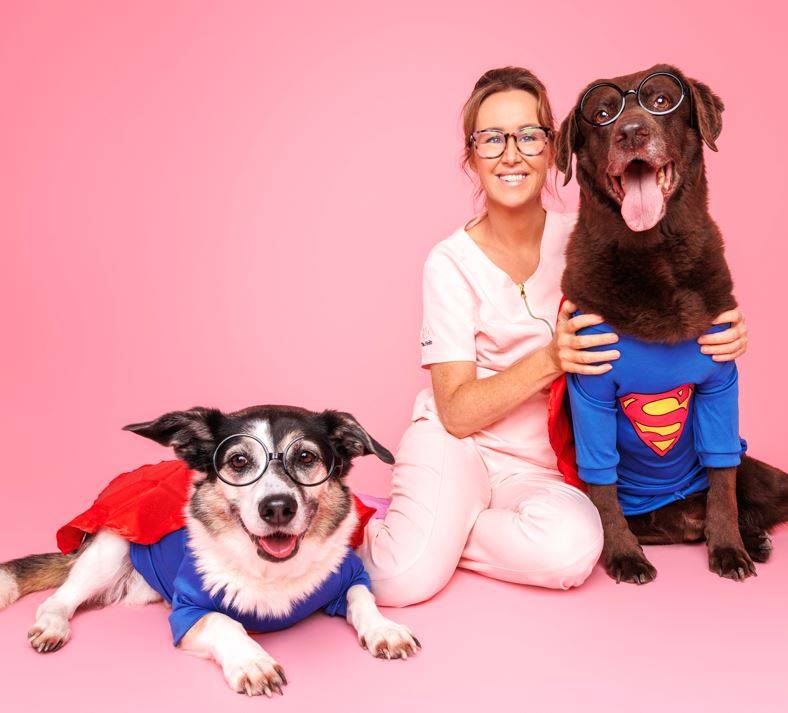
I created Natural Pet Supplements after caring for my Labrador Taco and seeing how much thoughtful herbal and nutritional support can mean to dogs, cats and the people who love them.
From our base in Perth, Western Australia, I formulate Australian-made supplements designed to support everyday wellbeing alongside appropriate veterinary care.
Caring for my own senior animals, including my 21-year-old cat Minty, continues to shape the practical, compassionate advice I share with other owners.
Learn more about Erin


