

Natural Pet Supplements Health Library
Cushing’s Disease in Dogs: Symptoms, Natural Support, Diet and Everyday Care
Written by Erin Follington, Small Animal Naturopath and founder of Natural Pet Supplements.
If your dog has suddenly become ravenous, is drinking enough water to empty the bowl twice a day, panting through the night or developing a round little belly, you are probably wondering what on earth is going on.
Cushing’s disease can feel like an overwhelming diagnosis, particularly when you are trying to make sense of blood tests, medication, changing symptoms and whether your dog can still enjoy a good quality of life.
The reassuring news is that many dogs with Cushing’s continue to enjoy happy, comfortable lives when they have appropriate veterinary care, sensible monitoring, good nutrition and support tailored to their individual needs.
A quick answer if you are feeling overwhelmed
Cushing’s disease happens when a dog’s body is exposed to too much cortisol over time. Common signs include excessive thirst, frequent urination, constant hunger, panting, hair loss, recurring skin problems, a pot belly and weakness through the back legs.
Treatment and monitoring should be guided by your veterinarian. Depending on your dog’s circumstances, this may include medication such as Vetoryl, follow-up blood tests and management of any associated complications.
Our Adrenal Kit combines Adrenal Support and Vital Support to support healthy adrenal function, normal stress responses, liver health, immune wellbeing and everyday vitality.
Jump to your question
What is Cushing’s disease in dogs?
Cushing’s disease, also known as hyperadrenocorticism, develops when a dog’s body is exposed to excessive cortisol over an extended period.
Cortisol is an essential hormone produced by the adrenal glands. In healthy amounts, it helps regulate stress responses, metabolism, blood sugar, blood pressure, inflammation and immune function.
Problems arise when the body produces more cortisol than it needs, or when a dog is exposed to steroid medication for a prolonged period.
Over time, that excess cortisol can affect the liver, muscles, skin, coat, appetite, urinary system and immune defences. That is why the symptoms often seem scattered and unrelated at first.
What causes Cushing’s disease?
Pituitary-dependent Cushing’s
This is the most common form. A small growth in the pituitary gland sends too many signals telling the adrenal glands to produce cortisol. Many pituitary growths are small, and your veterinarian can explain what the findings mean for your individual dog.
Adrenal-dependent Cushing’s
In some dogs, a growth within an adrenal gland produces cortisol independently. Depending on the size, location and appearance of the growth, surgery may be discussed with a veterinary specialist.
Steroid-induced Cushing’s
Cushing’s-like symptoms can develop after prolonged use of steroid medicines, including prednisolone or certain medicated skin, ear and eye preparations.
Never stop steroid medication suddenly. These medicines often need to be reduced gradually under veterinary supervision.
What are the first signs of Cushing’s disease?
Because Cushing’s tends to develop gradually, the early signs can be mistaken for normal ageing. Often it is not one dramatic symptom, but several little changes that start adding up.
Changes you might notice
- Drinking far more water.
- Urinating more frequently.
- Overnight toilet accidents.
- Constant hunger.
- Panting or restlessness.
- A rounded, hanging belly.
Changes that develop over time
- Weakness through the back legs.
- Thinning hair or bald patches.
- Darkened or fragile skin.
- Recurring ear or skin concerns.
- Reduced stamina.
- Slow healing or recurring infections.
Erin’s tip: Write down everything you have noticed before your veterinary appointment. Even changes that seem unrelated can help your veterinarian see the bigger picture.
Why is my dog drinking and eating so much?
Excessive thirst and urination
Excess cortisol can interfere with the kidneys’ ability to concentrate urine. Your dog produces more urine and drinks extra water to replace what is being lost.
You might notice the water bowl constantly needs refilling, your dog wakes overnight or they suddenly cannot hold on as long between toilet breaks.
Please do not restrict water. A thirsty dog needs access to fresh water. Restricting it can cause dehydration and make your dog unwell.
Constant hunger and food-seeking
Cortisol influences appetite and metabolism. Dogs with Cushing’s can behave as though they are absolutely starving, even when they have eaten a perfectly adequate meal.
Rather than simply increasing food, try:
- Splitting the daily food allowance into smaller meals.
- Using a slow feeder or simple food puzzle.
- Offering suitable low-calorie vegetables when appropriate.
- Keeping bins, shopping bags and food cupboards secure.
- Monitoring weight rather than relying on appetite alone.
Why do dogs with Cushing’s pant so much?
Panting can occur even when the weather is mild or your dog has not exercised. Changes in metabolism, heat tolerance, abdominal size, muscle strength and general comfort may all contribute.
To make your dog more comfortable:
- Provide a cool, well-ventilated sleeping area.
- Walk during the cooler parts of the day.
- Choose several short walks instead of one long walk.
- Keep fresh water available.
- Make a note of whether panting worsens overnight or after medication.
Panting can also be associated with pain, anxiety, heart disease or respiratory issues. If breathing becomes laboured, your dog collapses or their gums appear pale, grey or blue, seek urgent veterinary care.
Why do dogs develop a pot belly and weak back legs?
The classic Cushing’s pot belly is not necessarily because a dog has simply put on weight.
Excess cortisol can weaken the abdominal muscles, change how body fat is distributed and contribute to liver enlargement. Together, those changes create a rounded or hanging appearance through the middle.
At the same time, prolonged cortisol exposure can contribute to muscle loss, especially through the hindquarters. You may notice your dog slipping on the floor, struggling to stand, hesitating at stairs or finding it harder to get into the car.
Practical changes that can help:
- Non-slip mats or runners on polished floors.
- A ramp for the car or favourite lounge.
- Supportive bedding that is easy to get in and out of.
- Short, gentle walks with plenty of rest breaks.
- A rear-support harness where needed.
- Appropriate dietary protein, unless another condition requires restriction.
Can Cushing’s cause skin problems and yeast infections?
Yes. Hormonal changes can affect the skin barrier, coat growth and normal immune defences, leaving some dogs more vulnerable to recurring skin, ear and yeast-related concerns.
Signs can include:
- Itchy paws or constant licking.
- A musty, yeasty or unusually strong skin odour.
- Greasy skin or coat.
- Redness between the toes.
- Recurring ear problems.
- Darkened skin on the belly or in the armpits.
- Hair thinning or poor coat regrowth.
- Moist, irritated skin folds.
If your dog has painful ears, discharge, open sores, broken skin or significant inflammation, please have them checked by your veterinarian. A genuine infection may need specific treatment.
Where Yeast Support may fit
If recurring yeast-related skin and ear concerns are part of the bigger picture, Yeast Support may be worth considering alongside appropriate veterinary care.
It is formulated to support healthy skin, coat condition and normal microbial balance. Depending on the individual dog, I may also look at diet, gut health and whether Probiotic Gut Support would be a sensible addition.

When itchy, yeasty skin is part of the picture
Yeast Support
A targeted herbal formula supporting healthy skin, coat condition and normal microbial balance in dogs experiencing recurring paw licking, greasy skin, ear concerns or a yeasty smell.
Explore Yeast SupportHow is Cushing’s disease diagnosed?
Diagnosing Cushing’s can take a little patience because the symptoms can overlap with diabetes, kidney disease, liver problems, hypothyroidism and the effects of certain medications.
Blood tests and urinalysis
Your veterinarian will usually begin with routine bloodwork and urine testing. Increased liver enzymes, particularly ALP, elevated cholesterol and dilute urine may raise suspicion, but they do not confirm Cushing’s on their own.
Low-dose dexamethasone suppression test
This test checks whether cortisol falls appropriately after a small dose of dexamethasone. Dogs with Cushing’s may show an abnormal response.
ACTH stimulation test
This test compares cortisol levels before and after the dog receives synthetic ACTH. It can be useful during diagnosis or while monitoring some dogs receiving treatment.
Ultrasound and additional testing
An abdominal ultrasound can assess the adrenal glands and liver. Your veterinarian may also recommend a urine cortisol-to-creatinine ratio or additional hormone testing, depending on the clinical picture.
Does a high ALP mean my dog has liver failure?
Not necessarily. ALP commonly increases in dogs with Cushing’s because cortisol influences liver enzyme activity. Your veterinarian will interpret the result alongside other blood values, symptoms and imaging before determining whether there is a separate liver concern.
What should I know about Vetoryl?
Vetoryl is the brand name for trilostane, a medication commonly prescribed to help manage excessive cortisol production in dogs with Cushing’s disease.
It does not remove the underlying cause, but it may improve excessive thirst, urination, hunger, panting and general comfort when the dose is appropriate.
How quickly does it work?
Changes in thirst, urination and appetite may appear within the first few weeks. Coat regrowth, muscle recovery and improvements in body shape usually take longer.
What symptoms should I watch for?
- Vomiting or diarrhoea.
- Refusal to eat.
- Sudden tiredness or weakness.
- Shaking or unsteadiness.
- Collapse.
- Any sudden change that makes your dog seem unwell.
Medication safety: Never reduce, increase or stop Vetoryl without veterinary guidance. If your dog collapses, becomes extremely weak or cannot keep water down, seek emergency veterinary care.

Targeted adrenal support
Adrenal Support
I formulated Adrenal Support to provide targeted herbal support for healthy adrenal function, normal stress responses, everyday energy and general wellbeing.
The formula contains:
- Withania.
- Holy Basil.
- St Mary’s Thistle.
- Turmeric.
- Astragalus.
- Ginkgo.
- Sarsaparilla.
- Chaste tree.
Why have these herbs been included?
Withania
Also known as ashwagandha, Withania is traditionally used as an adaptogenic herb to support a healthy response to physical and emotional stress.
Holy Basil
Holy Basil, or Tulsi, is traditionally used to support stress resilience, metabolic wellbeing and the body’s natural ability to maintain balance.
St Mary’s Thistle
St Mary’s Thistle contains silymarin and is used to support healthy liver function, liver cell integrity and the body’s normal antioxidant defences.
Turmeric
Turmeric contains naturally occurring curcuminoids and is traditionally used to support healthy inflammatory balance, antioxidant pathways and general wellbeing.
Complete adrenal and whole-body support
Adrenal Kit
Previously known as our Cushing’s Kit

The Adrenal Kit combines two complementary herbal formulas: Adrenal Support and Vital Support.
I like this combination because Cushing’s rarely affects just one body system. A dog might be dealing with changes in appetite, thirst, coat condition, immune resilience, liver function, muscle strength and energy all at once.
Adrenal Support
- Healthy adrenal gland function.
- Normal stress responses.
- Everyday resilience.
- Normal energy and wellbeing.
- Liver and antioxidant support.
Vital Support
- Normal immune function.
- Antioxidant protection.
- Liver and metabolic wellbeing.
- Healthy energy and vitality.
- Whole-body support during ageing.
Both formulas are high-strength liquid herbals with a palatable bacon flavour, making them easy to mix into your dog’s food.
Real dogs. Real customer experiences.
These are some of the lovely dogs whose owners have shared their experiences with our adrenal and mobility products.


★★★★★
Extra support for ageing joints
Another customer described their senior German Shepherd as energetic and enthusiastic while enjoying Mobility Joint Support mixed through her meals.
D.S. · Verified Mobility Joint Support customer
What should a dog with Cushing’s disease eat?
There is no single perfect Cushing’s diet because the right approach depends on your dog’s weight, muscle condition, blood fats, digestion and any other health concerns.
In general, I like to see a balanced diet with good-quality protein, appropriate moisture and as few unnecessary processed extras as possible.
A sensible feeding plan may include:
- High-quality, digestible protein to support muscle condition.
- Appropriate calories to maintain a healthy weight.
- Moderate fat where cholesterol, triglycerides or pancreatitis are a concern.
- Suitable fibre to help with fullness.
- Adequate dietary moisture and unrestricted access to fresh water.
- Smaller, more frequent meals for dogs that are constantly hungry.
- A properly balanced fresh or lightly cooked diet where appropriate.
Dogs with diabetes, kidney disease, pancreatitis or other diagnosed conditions may require a different approach. If you are preparing food at home, make sure it is nutritionally complete rather than relying on a repetitive combination of meat and vegetables.
What treats can a constantly hungry dog have?
Depending on the individual dog, small portions of the following may be suitable:
- Lean cooked chicken.
- Small pieces of lean meat.
- Cucumber.
- Green beans.
- Zucchini.
- A small amount of carrot.
- A portion of their regular daily food allowance.
Treats still count towards daily calories. If your dog has diabetes, pancreatitis, kidney concerns or food sensitivities, ask your veterinarian which options are appropriate.
Everyday ways to help your dog feel more comfortable
Make toileting easier
Offer additional trips outside, particularly before bed. Washable bedding or an accessible overnight toilet area can make life easier without making your dog feel they have done something wrong.
Keep the sleeping area cool
A cool room, good airflow and comfortable bedding can help dogs that become hot, restless or unsettled overnight.
Support weak back legs
Non-slip flooring, ramps and gentle exercise can help preserve confidence and mobility. There is no benefit in pushing a tired dog beyond what they can comfortably manage.
Keep a simple symptom diary
Record changes in:
- Water intake and urination.
- Appetite and food-seeking.
- Panting and sleep.
- Energy and willingness to walk.
- Skin and coat condition.
- Body weight and abdominal shape.
- Medications, supplements and upcoming blood tests.
Other products that may be helpful
Not every dog needs several supplements. I prefer to choose products based on what is actually happening, rather than adding everything just because it is available.

Yeast Support
Consider when recurring paw licking, smelly ears, greasy skin, darkened belly skin or yeast-related skin concerns are part of the picture. Supports healthy skin, coat condition and normal microbial balance.
Shop Yeast Support
Liver Support
A concentrated St Mary’s Thistle formula supporting healthy liver function, liver cell integrity and antioxidant defences. It may be useful when your dog needs additional targeted liver support.
Shop Liver Support
Mobility Joint Support
Nutritional support for healthy joints, cartilage, connective tissue and everyday movement. Particularly useful when age-related joint stiffness is adding to difficulty getting around.
Shop Mobility Joint Support
Probiotic Gut Support
Supports healthy digestion, normal immune function and a balanced gut microbiome. It may be useful when digestive sensitivity, antibiotic use or recurring skin concerns suggest the gut needs extra attention.
Shop Probiotic Gut Support
Skin Soothing Spray
Gentle topical support for minor irritation on intact skin. Useful for areas such as paws, skin folds and the belly. Broken, infected or severely inflamed skin needs veterinary assessment.
Shop Skin Soothing SprayFrequently asked questions
Can a dog have Cushing’s if the first test is inconclusive?
Yes. Early Cushing’s can be difficult to identify, and stress, other illnesses or medication can affect test results. Your veterinarian may recommend repeating a test, using a different test or investigating another possible explanation.
Can natural supplements cure Cushing’s disease?
No. Herbal supplements do not remove pituitary or adrenal tumours and should not be presented as a cure. Their role is to support normal body functions and general wellbeing as part of a properly monitored care plan.
Can the Adrenal Kit be used alongside Vetoryl?
The Adrenal Kit may be considered alongside Vetoryl when your veterinarian knows what your dog is taking and regular monitoring continues. Medication should never be adjusted without veterinary advice.
How long does the Adrenal Kit take to work?
Every dog is different. Some owners notice changes in general wellbeing within the first few weeks, while coat, muscle and body-condition changes often take longer. Consistency and ongoing veterinary monitoring are important.
Is the Adrenal Kit suitable for every dog?
No. It should not be used alongside blood-thinning medications, immediately before anaesthesia or during diarrhoea. Extra caution is needed for dogs with diabetes and those receiving prescription medications. Discuss your dog’s individual circumstances before starting.
Can Cushing’s cause yeast infections?
Hormonal changes and altered immune defences can make dogs more vulnerable to recurring yeast-related skin and ear problems. Veterinary assessment is important for suspected infections. Yeast Support may be considered to support healthy skin and normal microbial balance.
Why does my dog with Cushing’s smell yeasty?
Changes in the skin barrier and immune function can allow normal skin microorganisms to become unbalanced. A musty smell, greasy coat, paw licking, darkened skin or recurring ear issues may warrant a veterinary skin examination.
Can I use Yeast Support with the Adrenal Kit?
Some dogs may benefit from a combination when adrenal-related changes and recurring yeast-related skin concerns are both present. However, suitability depends on the dog’s medications, overall health and existing supplements, so ask for individual guidance if you are unsure.
Does every dog with Cushing’s need Liver Support?
No. The Adrenal Kit already includes herbs selected to support normal liver function. Additional Liver Support may be appropriate in some situations, but a high ALP alone does not automatically mean more supplements are needed.
Why are my dog’s back legs getting weaker?
Excess cortisol can contribute to muscle breakdown, especially through the hindquarters. Gentle exercise, non-slip surfaces, appropriate dietary protein and support for any concurrent joint stiffness can help make daily life more manageable.
Is Cushing’s disease painful?
Cushing’s is not always directly painful, but associated issues such as skin infections, urinary infections, muscle weakness, abdominal discomfort and arthritis can affect comfort. Any sudden change in behaviour, mobility or willingness to be touched should be checked.
Should dogs with Cushing’s eat low-fat food?
Some dogs benefit from moderate dietary fat, particularly when cholesterol, triglycerides or pancreatitis are a concern. However, a very low-fat diet is not automatically appropriate for every dog. Your veterinarian can advise based on blood results and medical history.
Why is my dog panting so much at night?
Changes in cortisol, heat tolerance, abdominal comfort and general restlessness can all contribute. A cool sleeping area may help, but persistent or worsening panting should be assessed because pain, heart problems and respiratory issues can look similar.
Can Cushing’s cause recurring urinary infections?
Yes. Changes in immune function and urine concentration can increase susceptibility to urinary problems. Blood in the urine, discomfort, strong odour or frequent accidents should be investigated rather than assumed to be a normal part of Cushing’s.
Can a dog live a happy life with Cushing’s?
Many dogs can enjoy a good quality of life with appropriate treatment, monitoring and practical support. The most helpful things to watch are comfort, appetite, sleep, mobility, energy and whether your dog still enjoys their normal routines.
How long can a dog live with Cushing’s disease?
There is no single life expectancy because the outlook depends on the cause, severity, treatment response and your dog’s other health conditions. Some dogs live comfortably for years. Your veterinarian is best placed to explain your dog’s individual outlook.
Can cats get Cushing’s disease?
Yes, although it is much less common in cats. Feline Cushing’s is often associated with diabetes and unusually fragile skin. Any suspected case needs veterinary investigation.
When should I contact the vet urgently?
Please seek prompt veterinary advice if your dog develops:
- Collapse or sudden severe weakness.
- Repeated vomiting or persistent diarrhoea.
- Refusal to eat.
- Difficulty breathing.
- A painful or rapidly swollen abdomen.
- Seizures or disorientation.
- Black stools or unexplained bleeding.
- Inability to urinate.
- Sudden deterioration while taking Vetoryl.
These signs should not be managed with supplements alone.
A simple support plan for a dog with Cushing’s
- Work with your veterinarian to confirm the diagnosis.
- Discuss whether medication, surgery or another approach is appropriate.
- Keep up with recommended monitoring.
- Leave fresh water available at all times.
- Provide additional toilet breaks and a cool sleeping area.
- Feed a balanced diet with appropriate protein and calories.
- Use smaller meals if constant hunger is becoming difficult.
- Support mobility with gentle exercise, ramps and non-slip flooring.
- Address recurring skin, ear, urinary or yeast-related concerns promptly.
- Consider Adrenal Support or the Adrenal Kit where appropriate.
A final word from me
I know it can be confronting to hear words like “Cushing’s”, “tumour” or “lifelong medication”, especially when you are already worried about your dog and trying to manage the practical side of ongoing appointments and tests.
But a diagnosis does not mean your dog cannot continue enjoying the things they love, or that there is nothing you can do to support them.
Often, the most helpful approach is to take it one step at a time: work with your vet, make sensible changes at home, feed well and support the body systems that need a little extra attention.
If you are unsure which products are appropriate, please get in touch with your dog’s age, weight, symptoms, diagnosis and current medications. I am always happy to help you work out what makes the most sense.
Explore adrenal support productsReferences and further reading
- American Animal Hospital Association: Canine hypercortisolism and Cushing’s syndrome
- American Animal Hospital Association: Diagnostic testing and monitoring
- Merck Veterinary Manual: Cushing syndrome in animals
- United States Food and Drug Administration: Treating Cushing’s disease in dogs
- Published human research examining Withania and stress-related cortisol responses
- Published human research examining Holy Basil and stress-related responses
About the author
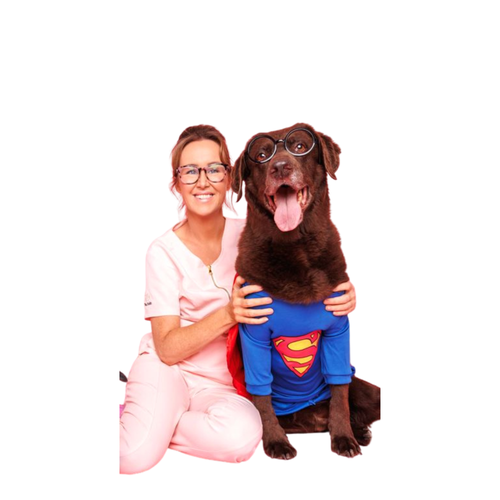
Erin Follington
Small Animal Naturopath and founder of Natural Pet Supplements
I began my career as a human naturopath before completing a further three years of study in Small Animal Naturopathy, inspired by my Labrador, Taco, and his own struggles with skin allergies.
Today, I formulate and hand-blend Australian-made herbal and nutritional supplements in Perth, Western Australia. Over the past six years, Natural Pet Supplements has supported more than 8,500 dogs and cats across Australia and beyond.
My approach is simple: practical advice, premium ingredients, products that are easy to give and thoughtful support for the whole animal.
Learn more about Erin and Natural Pet SupplementsImportant: This article provides general educational information and does not replace individual veterinary advice, diagnosis or treatment. Cushing’s disease requires appropriate veterinary assessment and monitoring. Never stop or change Vetoryl, steroid medication or another prescribed treatment without veterinary direction.


